
Tampons not only take in menstrual blood, but also vaginal fluids. The vaginal fluids absorbed in the tampons would likewise contain the malignant DNA, and possibly consist of precancerous material, enabling for earlier detection of endometrial cancer. Scientific trials are currently being conducted to evaluate the usage of tampons as a screening approach for early detection of endometrial cancer.
Suitable disposal of utilized tampons is still doing not have in many nations. Since Flo Tampons of menstrual management practices in some countries, many sanitary napkins or other menstrual items will be gotten rid of into domestic strong wastes or garbage bins that eventually ends up being part of a strong wastes. The issue that underlies the governance or implementation of menstrual waste management is how country categorizes menstrual waste.
Ecological impact varies according to disposal technique (whether a tampon is flushed down the toilet or placed in a garbage bin - the latter is the suggested alternative). Factors such as tampon structure will likewise impact sewage treatment plants or waste processing. The average usage of tampons in menstruation might include up to roughly 11,400 tampons in somebody's life time (if they utilize just tampons rather than other products).
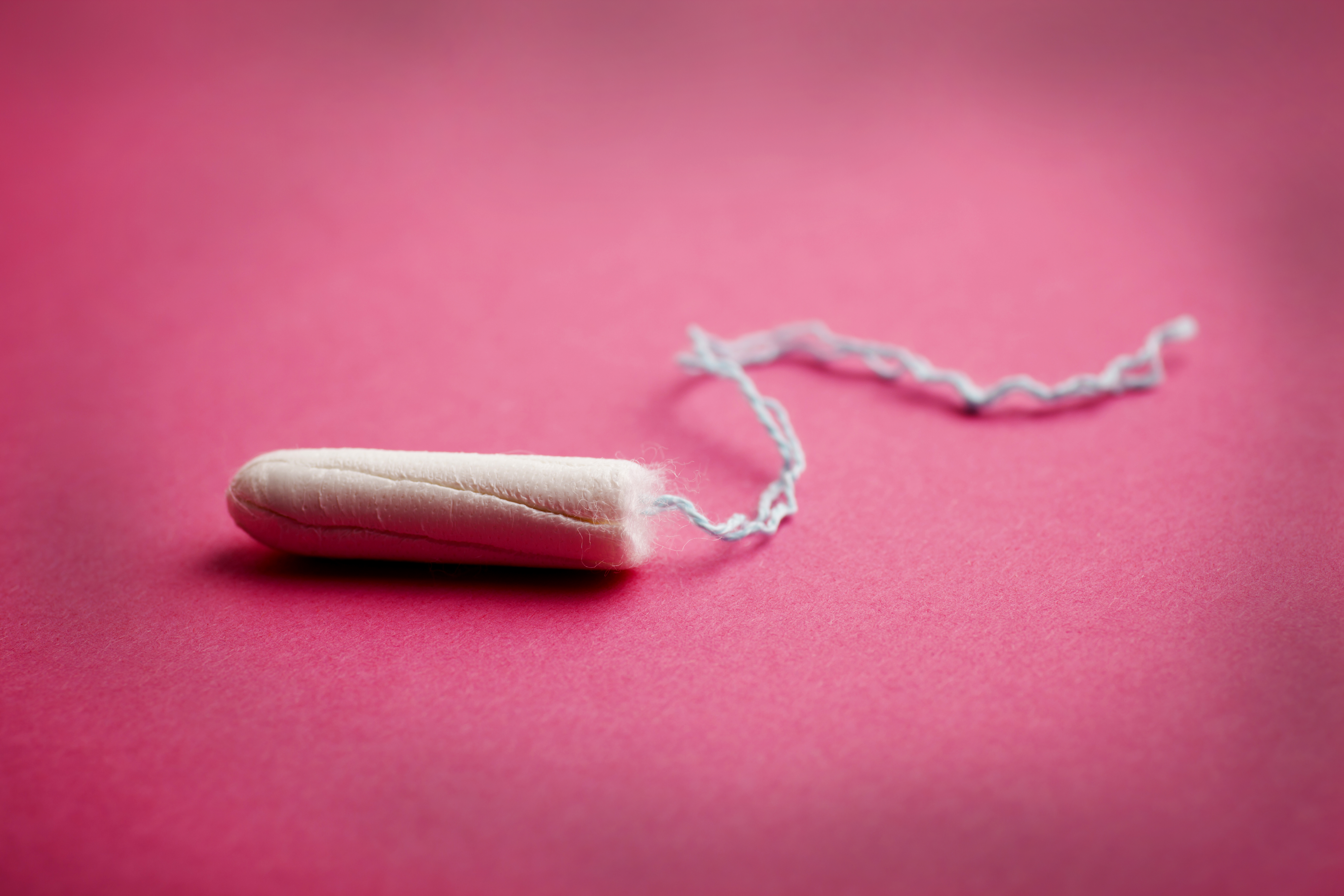
Aside from the cotton, rayon and fiber surfaces, these products are not biodegradable. Organic cotton tampons are eco-friendly, but should be composted to guarantee they break down in a reasonable quantity of time. Rayon was found to be more biodegradable than cotton. Environmentally friendly alternatives to utilizing tampons are the menstrual cup, recyclable hygienic pads, menstrual sponges, reusable tampons, and reusable absorbent underclothing.


 0
0  Star
Star